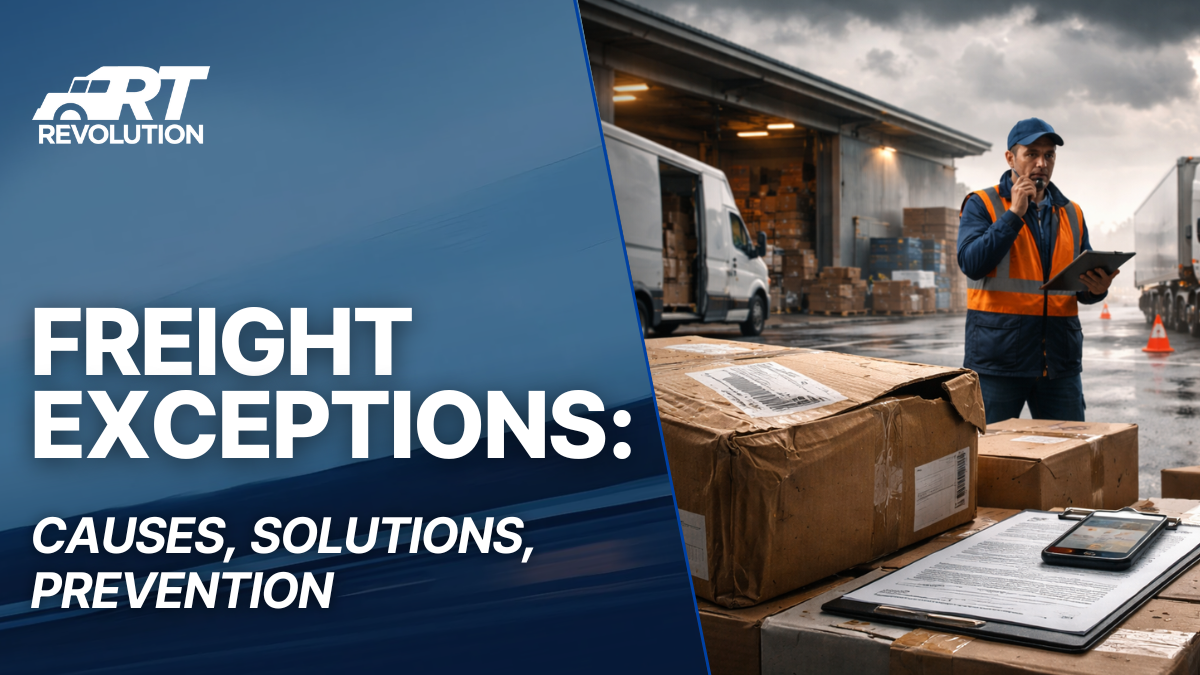
Introduction to Freight Exceptions
A freight exception is an unexpected event disrupting a shipment's normal journey, such as bad weather, wrong addresses, customs delays, or vehicle breakdowns. This guide is designed for ecommerce businesses, logistics professionals, and customers who want to understand, prevent, and resolve delivery exceptions to ensure smooth and timely deliveries.
A freight exception, sometimes referred to as a delivery exception, occurs when a shipment is temporarily delayed or interrupted during the delivery process, affecting the expected delivery date and customer satisfaction. While the terms are often used interchangeably, "freight exception" typically refers to disruptions in the broader shipping process, while "delivery exception" focuses on issues specifically affecting the final delivery to the recipient.
For clarity, this article will address both freight exceptions (issues affecting linehaul, hubs, terminals, and upstream logistics) and delivery exceptions (issues impacting last-mile or end-user deliveries such as parcels shipped to homes or businesses), and will clearly note when the discussion applies specifically to one or the other.
Understanding freight exceptions is crucial for ecommerce businesses aiming to maintain reliable shipping services, logistics professionals seeking to optimize supply chains, and customers who want to know what to expect when shipments are delayed. By recognizing the causes and consequences of freight exceptions, all parties can take proactive steps to minimize disruptions and improve the overall shipping experience.
This guide explains what a freight exception is, why it happens, how it affects shipments, and what businesses and customers can do to prevent and resolve these issues.
Causes of Delivery Exceptions
This section focuses specifically on delivery exceptions, meaning issues that occur during the final stage of shipment—typically parcel or end-user deliveries to a home, business, or designated recipient.
Delivery exceptions can arise from a variety of sources, each presenting unique challenges for shipments. Recognizing these causes is the first step in preventing and managing exceptions effectively.
Address-Related Issues
Common address-related causes of delivery exceptions include:
- Incorrect or incomplete delivery address
- Wrong shipping or recipient address
- Damaged or unreadable shipping labels
- Insufficient documentation
Weather-Related Causes
Inclement weather can disrupt the delivery process, leading to exceptions such as:
- Severe weather events (hurricanes, blizzards, floods)
- Weather delays making delivery routes unpassable
- Damaged shipping labels due to weather conditions
Regulatory and Customs Delays
International shipments are particularly susceptible to:
- Customs delays due to regulatory issues
- Missing or incorrect documentation
- Language barriers and varying shipping regulations
Carrier-Specific Exceptions
Different carriers may encounter exceptions due to:
- Federal holidays when carriers do not operate
- Missed delivery attempts (recipient unavailable to sign)
- Human error by delivery personnel or drivers
- Access issues at the delivery location
- Vehicle breakdowns or unforeseen circumstances
Understanding these causes helps businesses identify the specific types of shipment exceptions they may encounter, which are discussed in the next section.
Types of Shipment Exceptions
There are several types of shipment exceptions, each with its own set of causes and consequences. Recognizing these types allows businesses and customers to respond appropriately.
- Missed Delivery Attempts: Occur when the recipient is not available to sign for the package or is otherwise unreachable.
- Damaged Goods: Packages that are damaged during transit, often due to mishandling or adverse weather.
- Lost Packages: Shipments that cannot be located due to address errors, theft, or carrier mistakes.
- Customs Holds: International shipments delayed by customs for inspection or missing paperwork.
- Carrier-Specific Exceptions: Issues unique to carriers such as FedEx, UPS, DHL, or USPS, including holiday hang-ups, poor documentation, or compliance rule violations.
When a delivery exception occurs, customers often receive an exception notice or tracking notification, but these may not always clearly explain the issue. Providing customers with a tracking page enhances visibility into real-time delivery status and updates for package deliveries.
By analyzing the causes and types of shipment exceptions, businesses can identify areas for improvement and implement measures to minimize delivery exceptions. Next, we’ll explore how these exceptions impact customer satisfaction.
While delivery exceptions often occur at the last mile, such as delays at terminals, missed linehaul connections, or capacity failures—frequently cascade downstream and ultimately surface as customer-visible delivery problems.
Impact of Freight Exceptions on Customer Satisfaction
Freight exceptions can have significant consequences for both businesses and customers. Understanding these impacts is essential for maintaining strong customer relationships and operational efficiency.
Customer Trust and Loyalty
- Delivery exceptions and delays can decrease customer loyalty and harm brand reputation.
- Missed or damaged deliveries may result in negative reviews and lost business.
- Lack of communication can cause frustration and anxiety, leading to a loss of customer trust.
Operational and Financial Costs
- Increased operational costs due to reshipping or handling customer inquiries.
- Financial costs associated with replacing damaged goods or lost packages.
- Waste of resources, including increased customer support inquiries and lost customer lifetime value due to churn.
Managing Customer Expectations
- Customer support teams play a key role in managing delivery exceptions, handling inquiries, and ensuring timely resolution.
- Providing timely updates on delivery exception status and offering alternative solutions, such as reshipping or refunds, helps maintain satisfaction.
- Frequent delivery exceptions can harm a company's reputation through negative online reviews and social media posts.
By prioritizing customer satisfaction and implementing effective strategies to prevent and respond to freight exceptions, businesses can build trust and loyalty with their customers. The next section covers practical prevention strategies.
Prevention Strategies to Avoid Delivery Exceptions
To minimize the risk of delivery exceptions, businesses should adopt proactive prevention strategies. These measures help ensure timely and reliable deliveries.
- Verify Address Details: Carefully check all address information to prevent wrong or incomplete addresses.
- Use Address Verification Tools: Implement address validation software to catch errors before shipping.
- Partner with Reliable Carriers: Work with major carriers such as USPS, UPS, FedEx, and DHL, and understand their processes for handling exceptions.
- Weather-Resistant Packaging: Use weather-resistant labels and packaging to protect shipments during inclement weather.
- Provide Clear Delivery Instructions: Ensure delivery personnel have all necessary information to access the delivery location.
- Monitor Shipment Status: Use tracking software to monitor shipments and receive alerts about potential exceptions.
- Plan for Federal Holidays: Be aware of carrier schedules and plan shipments around holidays to avoid delays.
- Educate Customers: Inform customers about potential delivery issues and provide tracking information.
By taking these proactive steps, businesses can reduce the likelihood of shipment exceptions and maintain customer trust. Next, we’ll discuss considerations for international shipping.
International Shipping Considerations
International shipping presents unique challenges that can lead to delivery exceptions. Businesses must be prepared to address these complexities to ensure successful deliveries.
- Customs Delays: Regulatory issues and missing documentation can cause temporary holds.
- Language Barriers: Miscommunication can result in address errors or documentation issues.
- Varying Shipping Regulations: Different countries have unique requirements that must be met.
- Specialized Shipping Software: Use technology to track international shipments and monitor exception status.
- Experienced Shipping Partners: Work with carriers experienced in international logistics.
By understanding and addressing these challenges, businesses can develop effective strategies to prevent and respond to delivery exceptions, ensuring customer satisfaction. The next section outlines how to respond to a FedEx shipment exception.
Responding to a FedEx Shipment Exception
When a FedEx shipment exception occurs, prompt action is essential to resolve the issue and maintain customer satisfaction. Follow these steps:
- Contact the Carrier: Reach out to FedEx customer service immediately to determine the cause and location of the package.
- Provide Shipment Information: Have the tracking number and relevant shipping documentation ready to expedite the process.
- Use Online Tools: Utilize FedEx’s online tracking tools to monitor the exception status and identify potential issues.
- Communicate with the Customer: Inform the customer about the status and any changes to the delivery timeline.
- Implement Solutions: Work with FedEx to reschedule delivery, reroute the package, or resolve documentation issues as needed.
As of 2026, modern carrier management utilizes AI and digital ecosystems to handle freight exceptions in real-time, further improving response and resolution times.
By responding promptly to FedEx shipment exceptions, businesses can minimize the impact of delivery exceptions and maintain customer trust. Next, we’ll look at how to check delivery exception status.
Checking Delivery Exception Status
Staying informed about the status of a delivery exception is essential for both customers and businesses to manage expectations and maintain satisfaction. When a delivery exception occurs—whether due to inclement weather, customs delays, or other unforeseen circumstances—packages can become temporarily delayed, impacting the expected delivery date.
To check the delivery exception status:
- Use the tracking number provided by the shipping carrier (e.g., FedEx, UPS).
- Enter the tracking number on the carrier’s website or app for real-time updates.
- Monitor any changes to the delivery date or package location.
For businesses, monitoring delivery exception status allows for proactive communication with customers, providing timely updates and reassurance when a shipment is delayed. This transparency helps minimize frustration and builds trust, even when the delivery process encounters unexpected challenges.
Next, we’ll examine supply chain challenges that can contribute to delivery exceptions.
Supply Chain Challenges
The delivery process is only as strong as the supply chain supporting it, and disruptions at any stage can lead to delivery exceptions.
Common supply chain challenges include:
- Inefficient logistics and poor inventory management
- Breakdowns in communication between suppliers, carriers, and retailers
- Shortages of raw materials or manufacturing delays
- Natural disasters and global events disrupting the supply chain
To address these issues, businesses should:
- Invest in robust supply chain management strategies
- Diversify suppliers
- Leverage logistics technology
- Maintain open lines of communication with all stakeholders
By strengthening the supply chain, companies can reduce the risk of shipping exceptions and ensure a smoother, more reliable delivery process. The next section discusses the impact of natural disasters on freight exceptions.
Unlike delivery exceptions, which are often localized to a specific address or recipient, freight exceptions caused by natural disasters typically affect entire lanes, regions, or networks and require centralized coordination to resolve.
Natural Disasters and Freight Exceptions
Natural disasters like hurricanes, floods, and earthquakes can have a profound impact on the delivery process, often resulting in freight exceptions and significant delays.
When such events strike:
- Transportation infrastructure may be damaged or inaccessible
- Carriers may need to reroute shipments or temporarily halt deliveries
- Delivery routes may become unpassable, especially when major hubs are affected
For businesses and customers, it’s important to recognize that natural disasters are beyond anyone’s control. However, having contingency plans in place can help minimize the impact. Effective communication, flexible delivery options, and a clear understanding of the delivery exception process can all contribute to managing expectations and finding alternative solutions when severe weather or other natural events disrupt the normal delivery process.
Next, we’ll review common shipping exception scenarios.
Shipping Exception Scenarios
Shipping exceptions can arise from a variety of scenarios, each presenting unique challenges for businesses and customers.
Common scenarios include:
- FedEx delivery exception due to an incorrect address
- UPS delivery exception triggered by a customs delay during international shipping
- Severe weather events (snowstorms, hurricanes) making delivery routes unsafe or inaccessible
- Damaged packages or missing items
- Unforeseen events disrupting the delivery route
By understanding these different shipping exception scenarios, businesses can develop targeted strategies to prevent issues—such as verifying address details, using weather-resistant packaging, and closely monitoring shipments. Proactively addressing the causes of delivery exceptions helps ensure that packages reach their destination efficiently, even when unexpected challenges arise.
Next, we’ll discuss the importance of contacting the carrier when exceptions occur.
Contacting the Carrier
When a delivery exception occurs, prompt communication with the shipping carrier is key to resolving the issue and ensuring a successful delivery.
Steps to take:
- Contact the carrier’s customer service team as soon as possible (FedEx, UPS, USPS, DHL, etc.)
- Have the tracking number and relevant shipping documentation ready
- Request updates on the delivery exception status
- Discuss solutions such as rescheduling delivery or rerouting the package
Choosing reliable shipping services and maintaining open communication with carriers not only streamlines the delivery exception process but also enhances customer satisfaction by demonstrating a commitment to timely and effective problem-solving.
Next, we’ll address how federal holidays can impact freight exceptions.
Federal Holidays and Freight Exceptions
- Federal holidays can cause delivery exceptions, as carriers may not operate on these days, which can impact delivery schedules and lead to delays.
- Businesses should be aware of federal holidays and plan accordingly, taking steps to prevent delivery exceptions and ensure timely delivery.
- By understanding the impact of federal holidays on freight exceptions, businesses can develop effective strategies to prevent and respond to delivery exceptions, maintaining customer satisfaction.
- By planning ahead, businesses can minimize the impact of federal holidays on delivery exceptions and maintain reliable shipping services.
Conclusion
While delivery exceptions are often resolved at the carrier or customer service level, freight exceptions require a different operational response—one rooted in visibility, ownership, and real-time intervention. Revolution specializes in managing freight exceptions upstream, before they escalate into missed deliveries, customer frustration, or downstream operational chaos. Through proactive monitoring, escalation ownership, and live intervention across the transportation network, Revolution helps shippers identify exceptions early, contain their impact, and restore flow before delays reach the end customer. Rather than reacting after a delivery fails, Revolution focuses on preventing failure in the first place—bringing clarity, control, and accountability to the most complex freight environments.
other blog posts
.webp)

.png)

%2520(1).webp)